Sound Healing 101: What the Research and the Ritual Both Say
Singing bowls, gongs, and sound baths have a genuinely ancient ritual history and a modern research record that's more modest than the marketing around them suggests. Here's what's actually documented and what to expect.
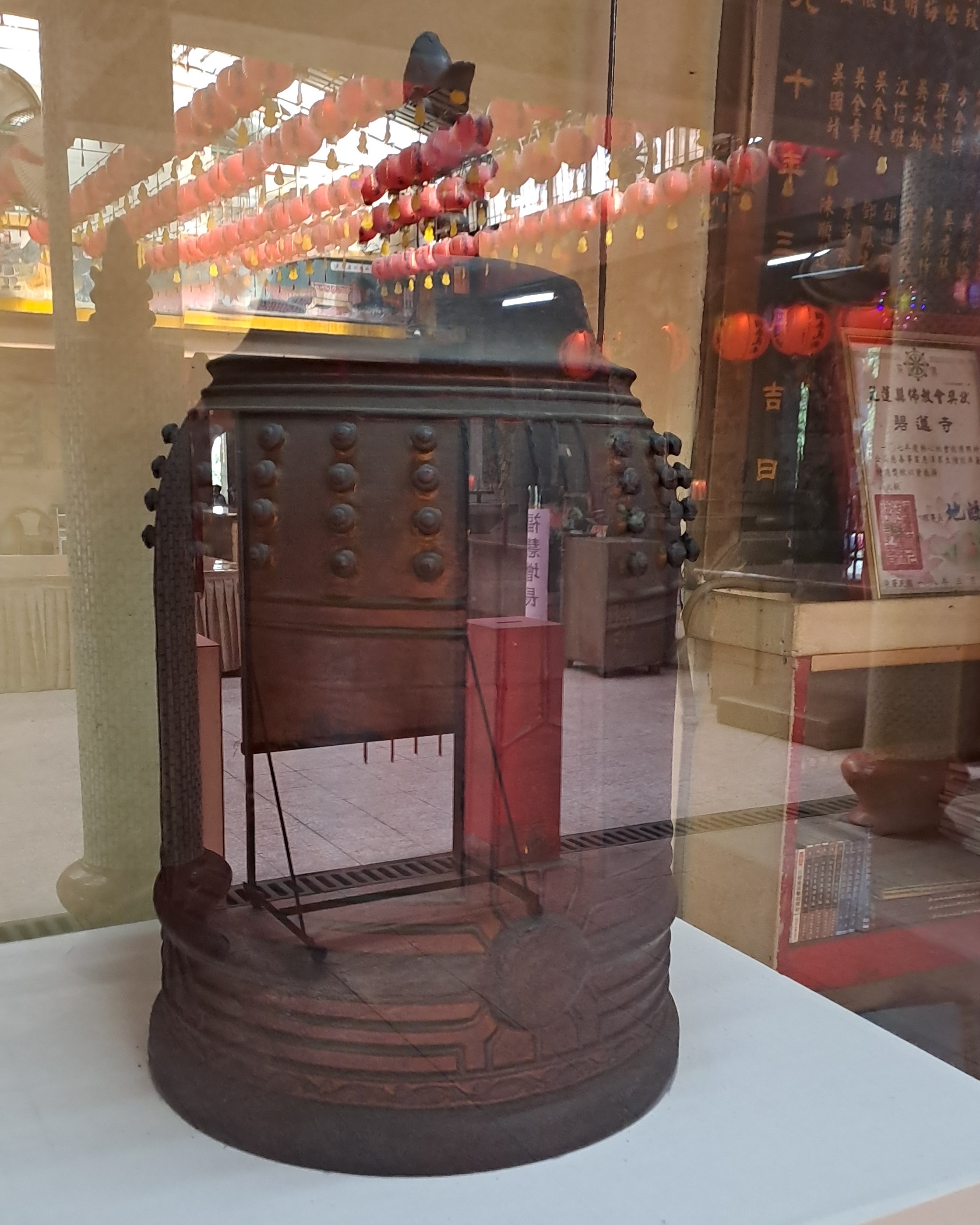
The use of resonant sound — bells, bowls, gongs, chanting — in ritual and contemplative practice spans a genuinely long list of cultures and centuries, from Tibetan and Himalayan singing bowl traditions to temple bells across East Asia to the long, sustained chanting found in Vedic and other religious traditions. What's newer, and worth being clear-eyed about, is the modern "sound healing" and "sound bath" industry that's grown up around this older ritual practice, often making claims about cellular healing, frequency-specific medical effects, and other assertions that go well beyond what the actual research on sound and the nervous system currently supports.
What a Sound Bath Actually Is
A typical sound bath or sound healing session involves lying down, usually on a mat with a blanket, while a practitioner plays a sequence of instruments — Himalayan or crystal singing bowls, gongs, chimes, tuning forks — creating layered, sustained tones meant to wash over the listener for anywhere from 20 minutes to an hour. There's no active participation required beyond lying still and listening; it's a receptive rather than a practiced technique, which is part of what makes it accessible to people who find seated meditation difficult.
What the Research Actually Shows
Small studies on Tibetan singing bowl meditation and sound bath sessions have generally found associations with reduced self-reported tension, anger, fatigue, and anxiety, alongside increased feelings of spiritual wellbeing, measured immediately after a session. This is a real and consistently observed finding worth taking seriously — but it's also worth being precise about its limits. These studies are generally small, often lack a rigorous control condition that isolates sound specifically from the surrounding context of lying down, relaxing, and receiving calm attention for an hour, and don't provide strong evidence for the more specific claims sometimes made in sound healing marketing about particular frequencies producing particular physiological or cellular effects. The honest summary is closer to "many people report feeling calmer and less anxious after a sound bath, similar to other relaxation-focused practices," rather than "specific frequencies produce documented, targeted healing effects" — a considerably narrower and more defensible claim than some of what circulates in wellness spaces.
Why It Probably Still Works, Even With Modest Evidence
None of this means the practice is pointless — it means the likely mechanism is more ordinary than "vibrational medicine" framing suggests, and ordinary doesn't mean ineffective. Sustained, layered, resonant sound has a well-documented capacity to occupy and gently saturate auditory attention in a way that's difficult to actively think through — it's hard to keep spiraling through anxious thoughts while your attention is being pulled, moment to moment, by shifting, layered overtones. Combined with lying still, breathing slowly, and often being in a group setting with dim lighting, a sound bath stacks several independently calming elements together, which likely accounts for a meaningful share of the effect regardless of the specific instrument or frequency involved.
A Simple Version You Can Try Without Equipment
You don't need a gong collection to get a taste of this. If you have access to even a small singing bowl, sit or lie comfortably, strike it gently, and simply follow the tone as it fades — noticing the exact moment it becomes inaudible, then striking it again once it has. Ten to fifteen minutes of this, with no other goal than following the sound closely, is a genuinely accessible entry point. Without a bowl at all, a recorded sound bath or even a simple sustained singing-bowl or gong recording played through decent headphones, lying down with your eyes closed, captures a meaningful portion of the same experience — it's the sustained, layered, attention-occupying quality of the sound that seems to matter most, not necessarily the specific physical instrument producing it.
What to Watch For
A small number of people find sustained low, resonant tones uncomfortable rather than calming, particularly those with certain sound sensitivities or a history of trauma involving loud or specific sounds — if a sound bath feels agitating rather than soothing, that's useful information about your own nervous system, not a sign you're doing it wrong. As with other relaxation-focused practices, sound healing is best framed as a genuinely pleasant complement to rest and stress management, not a treatment for a diagnosed medical or mental-health condition — approach claims of specific medical or cellular healing effects with real skepticism, while still feeling free to enjoy the actual, well-supported relaxation benefit the practice reliably offers.
For another sense-based grounding practice worth having alongside this one, see grounding techniques for when life feels overwhelming.
Assess Your Subtle Energy & Chakra Alignment
Take our 10-question diagnostic based on classical Shat-Chakra-Nirupana texts to assess active vs blocked pranic energy centers.

Written by Ravindra Valand
Founder and researcher at AnuSutra. Tracing ancient Sanskrit scriptures (Vedas, Upanishads, Bhagavad Gita) directly from canonical Sanskrit manuscripts, exploring the nexus between contemplative spiritual practices and modern cognitive science.
Related Sacred Studies

Energy Healing Explained: What It Is and How It Actually Works
Energy healing covers a wide range of practices — Reiki, therapeutic touch, biofield therapies — that share a common premise but very different levels of research support. Here's an honest look at what each actually involves.
How to Build a Personal Spiritual Practice Without a Guru or Tradition
You don't need a lineage, a guru, or a specific religious framework to build a real spiritual practice. You need a small number of consistent elements and the willingness to keep showing up to them.
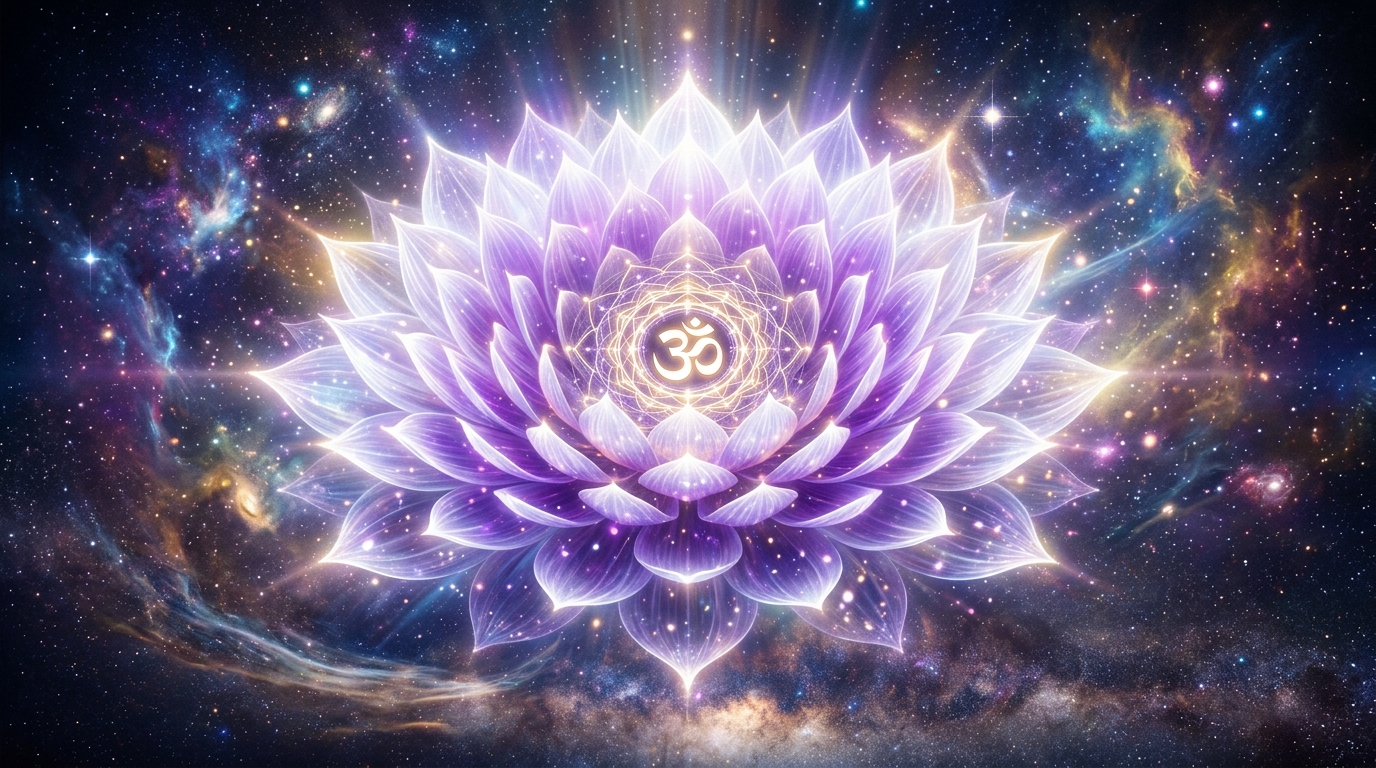
सहस्रार चक्र: कैवल्य, समाधि, अमृत-वर्षण और परम शिव-शक्ति मिलन | Sahasrara — The Crown Chakra
सहस्रार चक्र — सहस्र दल कमल, ब्रह्मरंध्र, सोमरस वर्षण, षट्चक्रनिरूपण के श्लोक, परम शिव-शक्ति सामरस्य और निर्विकल्प समाधि के सर्वोच्च योग विज्ञान का प्रामाणिक विश्लेषण।