
The Gita's Chapter 16: The Divine and the Demoniac Natures
Chapter 16 lists more than two dozen qualities that define two opposite kinds of people — and then makes a claim that's easy to miss: everyone is born with one nature or the other already leaning in a particular direction.
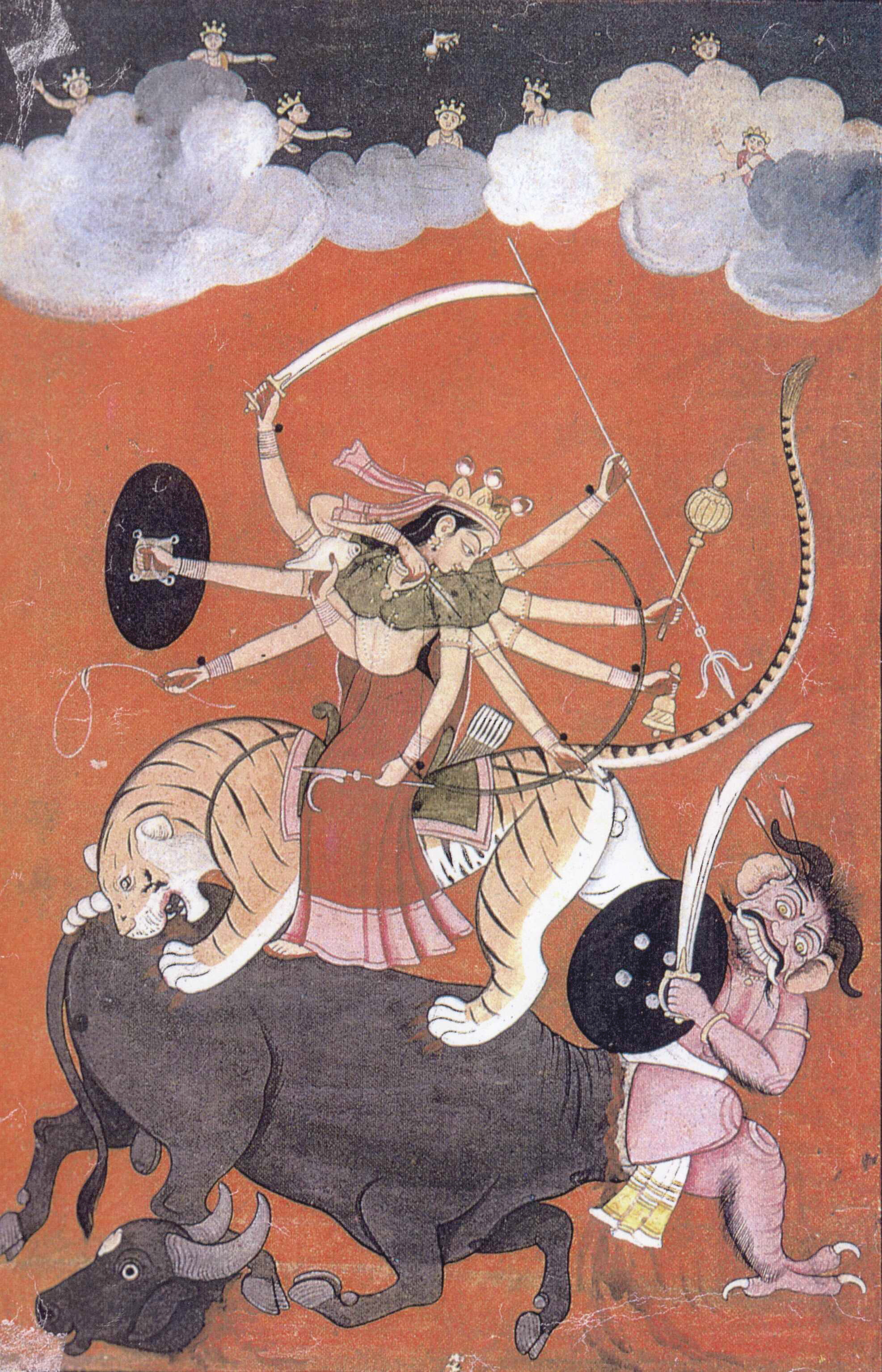
Chapter 16 of the Bhagavad Gita, Daivasura Sampad Vibhaga Yoga — "the yoga of the division between divine and demoniac endowments" — is built almost entirely around a single organizing move: a long list of qualities sorted into two opposing sets, daivi sampad (divine endowment) and asuri sampad (demoniac endowment), followed by Krishna's account of what each set of qualities tends to produce in a person's life.
Twenty-Six Qualities of the Divine Nature
Verses 16.1 through 16.3 lay out the divine qualities in a dense list: fearlessness, purity of heart, steadfastness in spiritual knowledge, charity, self-control, sacrifice, study of scripture, austerity, straightforwardness, non-violence, truthfulness, freedom from anger, renunciation, peacefulness, freedom from fault-finding, compassion toward all beings, freedom from greed, gentleness, modesty, steadiness, vigor, forgiveness, fortitude, cleanliness, freedom from malice, and freedom from excessive pride. Twenty-six qualities in total, spanning everything from specific ethical behaviors (non-violence, truthfulness) to broader temperamental dispositions (steadiness, forgiveness) to more explicitly spiritual commitments (scriptural study, sacrifice).
The demoniac list, given in verses 16.4 and following, is considerably shorter but pointed: hypocrisy, arrogance, excessive pride, anger, harshness, and ignorance. The asymmetry in length between the two lists is itself worth noticing — the text spends far more words describing the texture of a flourishing character than it does describing its opposite, treating the demoniac nature less as an equally rich alternative way of being and more as a narrower, more constricted state defined largely by the absence of the qualities the divine list describes at length.
Not Two Species — One Inborn Tendency
The verse that gives the chapter its real philosophical weight is 16.3's closing line and 16.5's continuation: these qualities, the text states, belong to one born with a divine endowment, while the demoniac qualities belong to one born with a demoniac endowment. Krishna's reassurance to Arjuna immediately follows: do not grieve, he says, because Arjuna himself is born with the divine endowment.
This framing — that a person is, in some sense, already born leaning toward one cluster of qualities or the other — is one of the chapter's more debated claims across the commentarial tradition, since it can read, taken in isolation, as a kind of fixed moral determinism at odds with the rest of the Gita's consistent emphasis on choice, effort, and the possibility of spiritual transformation through practice. Most classical commentary reads it instead as a description of tendency rather than fixed destiny — an inborn disposition that makes certain qualities easier or harder to cultivate for a given person, shaped by the accumulated weight of past action (karma) across possibly multiple lifetimes, but not a sealed verdict that forecloses the deliberate cultivation of divine qualities by someone whose starting tendency happens to run the other way. The chapter's own extensive description of what demoniac people actually do — reject scripture, act on desire and anger, pursue wealth through improper means, remain trapped in an endless cycle of anxious craving — is presented less as an inescapable fate and more as a diagnosis of what happens by default when those particular starting tendencies go entirely unchecked.
Three Gates to Self-Destruction
The chapter's most concrete, actionable content arrives at verse 16.21, in a formula that has remained one of the more frequently quoted single verses in the entire Gita specifically because of how directly practical it is compared to the surrounding, more abstract material. There are three gates to this self-destructive hell, Krishna states: kama (desire/lust), krodha (anger), and lobha (greed). Therefore, the verse continues, one should abandon these three.
What makes this verse stand out is its economy — after more than twenty verses cataloging an extensive, almost overwhelming list of positive and negative qualities, the chapter suddenly narrows to three specific, nameable forces identified as the actual mechanism by which a person degrades from whatever starting nature they had into ruin. Desire, anger, and greed aren't simply three items on the earlier demoniac list; they're identified here as the operative gates through which a person actually descends, regardless of their starting disposition — meaning the chapter's practical takeaway isn't really "hope you were born with the right nature," but "watch specifically for these three, since they're the actual mechanism of decline, however you started out."
Why This Chapter Precedes the Gita's Discussion of Faith
Chapter 16 sits directly before chapter 17's extended treatment of the three kinds of shraddha, or faith, corresponding to the three gunas — sattva, rajas, and tamas — that determine what kind of worship, food, austerity, and charity a given person is naturally drawn toward. Read together, the two chapters form a continuous argument: chapter 16 establishes that people arrive already leaning toward different starting dispositions, and chapter 17 immediately follows by showing that even something as seemingly uniform as religious faith and practice takes on a different character depending on which of these underlying tendencies a person is working from — setting up chapter 18's final synthesis, which takes the entire apparatus of gunas, natures, and types of action built across the preceding chapters and applies it to the concrete decision Arjuna has been facing since the text's opening scene: whether, and how, to act at all.
Discover Your Dominant Guna Constitution
Evaluate your balance of Sattva, Rajas, and Tamas according to Chapter 14 of the Bhagavad Gita with our self-inquiry quiz.

Written by Ravindra Valand
Founder and researcher at AnuSutra. Tracing ancient Sanskrit scriptures (Vedas, Upanishads, Bhagavad Gita) directly from canonical Sanskrit manuscripts, exploring the nexus between contemplative spiritual practices and modern cognitive science.
Related Sacred Studies

The Gita's Chapter 12: Bhakti Yoga and the Path of Devotion
Arjuna asks Krishna a direct question — is it better to worship a personal god or meditate on the formless absolute? — and the Bhagavad Gita's shortest chapter gives an answer that's more qualified than either side of that debate usually expects.

The Gita's Chapter 15: Purushottama Yoga and the Cosmic Banyan Tree
Chapter 15 opens with an upside-down tree, roots in the air and branches reaching down into the world, and asks the reader to do something unusual with it: cut it down.
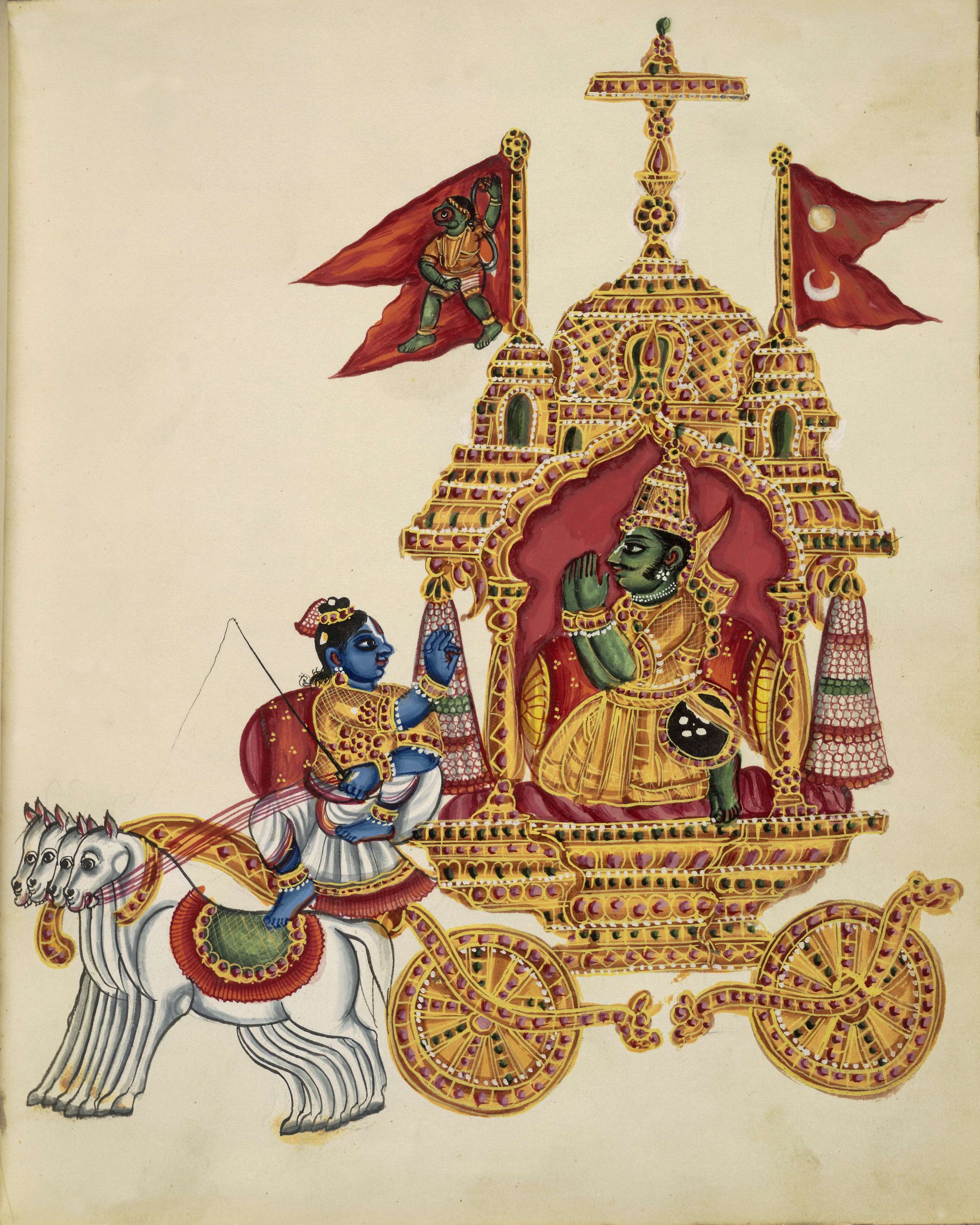
The Gita's Final Teaching: Moksha and Renunciation in Chapter 18
Seventeen chapters of teaching come down to one closing move: Krishna hands Arjuna everything he's said, tells him to think it over completely, and then leaves the actual decision entirely in Arjuna's hands.